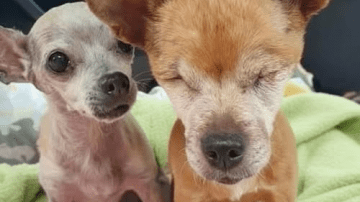
The small bundle of matted fur and raw skin lay motionless, barely distinguishable from the discarded refuse it had sought shelter amongst. Its shallow breaths were the only testament to a life clinging precariously to existence. Discovered by a vigilant animal control officer during a routine patrol in a desolate industrial district, this tiny chihuahua, later named Hope, was a heartbreaking spectacle of neglect and suffering. Her eyes, clouded with pain and resignation, hinted at a past filled with unimaginable hardship. Every inch of her minuscule body told a silent story of struggle against advanced sarcoptic mange, severe malnutrition, and a profound sense of abandonment. The officer, a veteran of countless rescue operations, felt a familiar pang of despair, yet beneath it, a flicker of hope – a stubborn refusal to let this fragile life slip away without a fight. The road ahead was uncertain, fraught with challenges, but the immediate goal was clear: to offer this creature, for the first time in what felt like an eternity, a chance at warmth, food, and medical care. The journey to recovery would be long and arduous, a testament to resilience, and a beacon of what compassion could achieve.

Initial assessments at the shelter painted a grim picture. Hope’s emaciated frame weighed a mere two pounds, a fraction of what a healthy chihuahua her age should be. Her skin was a patchwork of scabs, open sores, and thickened, leathery patches, a direct result of the relentless burrowing of mites. The veterinary team, led by Dr. Anya Sharma, faced a daunting task. Beyond the immediate physical ailments, Hope displayed profound behavioral issues: she recoiled from touch, cowered in corners, and refused food, seemingly resigned to her fate. “It’s not just her body we need to heal,” Dr. Sharma explained to her team, “it’s her spirit.” The first few days were a tense battle against infection and dehydration. Intravenous fluids, potent antibiotics, and medicated baths became her routine. Slowly, almost imperceptibly, a change began to occur. A flicker of interest in a particularly tasty wet food, a tentative wag of her tail when a gentle voice cooed to her – small victories that fueled the team’s determination.

Hope’s transformation gathered momentum. As her skin healed and her fur began to grow back in soft, white patches, her true personality started to emerge. She was still timid, but glimpses of playfulness shone through. A pivotal moment came when she was introduced to a foster home, a quiet sanctuary away from the bustling shelter. Sarah, her foster mom, understood that trust could not be rushed. She spent hours simply sitting near Hope, speaking in soft tones, offering treats, and allowing the tiny dog to approach on her own terms. The turning point arrived unexpectedly during a gentle evening. As Sarah read a book, Hope, for the first time, climbed onto her lap, nuzzling into her chest. It was a silent declaration of trust, a profound moment that brought tears to Sarah’s eyes. This small act of affection signaled a profound shift, indicating that Hope was finally beginning to understand what it meant to be loved and safe.

As months passed, Hope blossomed into a vibrant, energetic little dog. Her coat was now thick and gleaming white, her eyes sparkled with mischief, and her tail wagged almost continuously. She loved chasing toys in the backyard, snuggling under blankets, and greeting every visitor with enthusiastic licks. The shy, sickly creature found in the industrial district was a distant memory. Hope’s story became a beacon for the shelter, a testament to the power of unwavering compassion and dedicated care. It illustrated that even the most broken creatures, given the right support, can not only survive but thrive, becoming living examples of resilience and the enduring capacity for joy. Her journey resonated deeply with many, reminding them that every life holds value, and every creature deserves a chance at a happy, healthy existence.